Beneficial Bugs – Buy Ladybugs!

0

Posted by Sara | Posted in Outdoor Gardening, Pests and Problems | Posted on 11-03-2012

Ever wonder what to do about insect pests besides spray them to death?

Ladybugs and Praying Mantises eat several times their own weight in garden pests in one day!

Imagine having a really great pest control in your garden and never having to spray a single pesticide!

Here’s a list of what they love to feast on:

Ladybugs

  • aphids
  • whitefly
  • spidermites
  • mealybugs

Praying Mantis

  • aphids
  • beetles
  • grasshoppers
  • caterpillars
  • moths
  • mosquitos
  • other insects

This company: http://www.gardeners.com/1500-Adult-Ladybugs/BackyardHabitat_Cat,05-239RS,default,cp.html will send you 1,500 adult ladybugs or 200-300 Praying Mantis eggs.

I plan to order some for May/June when we get lots of aphids and for the past two years I’ve had the dreaded Japanese Beetle. (I did put down milky spore last year twice, but that can take a few years to build up and take effect.)

Another wonderful way to protect vegetation from harmful pests is with coverings. Here is a great, affordable, garden fabric that can be used in the summer to cover crops and prevent them from damage. This works very well with beetles, but may or may not work so great with aphids. Here’s a link to purchase: http://www.gardeners.com/Summerweight-Garden-Fabric/GardenPests_Insects,11749,default,cp.html


How to Get Rid of Powdery Mildew

0

Posted by Sara | Posted in Outdoor Gardening, Pests and Problems | Posted on 27-09-2011

Tags: , , , , , ,

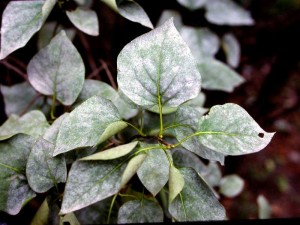
Powdery mildew peaks in the fall when temperatures are cooler, the sun’s heat and light is more moderate and less direct, and humidity is still high. The amount of dew that forms during the fall is a lot more than in summer months due to the temperature crossing the dew point at a very low place. This happens in the dark, and we all know fungi love dark and wet so, Fall is it for the fungus to go nuts!

Plants with large broad leaves are susceptible. Such as lilac bushes, roses, cabbage, and broccoli.

There are a few organic methods of protecting against powdery mildew. Here are a few:

  1. Make a spray with water and baking soda and spray plants early in the day (***on an over-cast day so that this recipe doesn’t burn your foliage***) so that the leaves are dry before the cool night temperatures come. Here’s a good recipe:
    • 1 gallon of water
    • 1 tablespoon of baking soda
    • 1 tablespoon of vegetable oil
    • 1 tablespoon of dishwashing liquid

    This will protect the parts of your plant that have not been infested yet and is preventative only.

  2. Neem Oil – apply 70% Neem Oil in mid-summer to prevent, once weekly. If you see some powdery mildew you can start applying it then.
  3. Spraying your foliage with tap water from the garden hose at a medium to hard pressure. Summer rains/storms and wind plus direct sunlight keep the powdery mildew from forming in the summer months. So you can re-create some of that in the Fall by spraying plants. Make sure you do this in the morning so the plants are dry by night fall.

You will see a white film coating the top of the leaf. It will be very transparent at first, but as it takes hold it will become more white and apparent. Start treating the plant with one or more methods above immediately in order to save the plant.

Once powdery mildew is present you cannot effectively get rid of it with organic methods. You must remove that part of the plant and GET RID OF IT completely. DO NOT COMPOST! Toss it in the trash! If a large portion of the plant is covered your best bet to contain it, and save other plants from this fungus is to uproot it completely and get it off your property as soon as possible.

This fungus can over-winter in your plant and come back stronger as soon as conditions allow it to start replicating again! Horrible stuff!!!

My 3 year old lilac bush got it last year and I treated it with a baking soda spray. It stopped it from spreading but it had already covered many leaves which were turning yellow and dropping off! I did not know it could survive the winter and come back again or damage the internal plant. The next season the leaves were all strangely shaped and it did not flower. So, I chopped it down to the ground in the hope that some part (the strongest part) would survive and come back as a new baby lilac plant. (I’ll let you know how that goes in the Spring of 2012!)

Good luck with your Fall clean up! It’s time to start your herb seeds indoors if you want nice organic herbs at your finger tips all winter long! You saved some seeds from your cilantro, basil, oregano and thyme plants right?? ๐Ÿ™‚

Water Your Garden To Protect It From Frost

0

Posted by Sara | Posted in Outdoor Gardening, Pests and Problems | Posted on 17-09-2011

Tags: , , , ,

Watering your garden when there might be a frost seems a little backward, but it will protect your plants.

A healthy well-watered plant will do better than a weaker, drier plant will in cooler night time temperatures. You don’t want the plant to be wet, but you want the Earth to be nice and damp when nightfall comes.

All of the processes that the plant uses to take in water and create food for it’s self take energy. When the plant uses it’s energy to take water and create food it releases a small amount of heat. So a plant that is undergoing this process is slightly warmer inside than a plant that is sitting there doing nothing but drying out.

So water your garden early in the day, and allow the plant’s leaves to be dry by nightfall and you should have some added protection against cooler nighttime temperatures.

Happy Autumn!

Sara

Frost…

0

Posted by Sara | Posted in Outdoor Garden Progression, Outdoor Gardening, Pests and Problems | Posted on 07-09-2011

Tags: , , ,

So, the time has come to discuss the issue of frost and how we (in the North) are going to extend this season and try to get our tomatoes to ripen on the vine!!

Last year I tried to create a greenhouse with greenhouse plastic, PVC pipe and packing tape around my entire garden. It was working great until a wind storm in early October when it all came crashing down and had to be taken down and off of the garden.

This year I plant to eventually pot up the tomato plants that are doing well and put them in the greenhouse! (The actual greenhouse that I bought in the early Spring.) But before I need to do that there are plenty of warm days left. When day-time temps get below 55 I will move them to the greenhouse. Over night temps are sometimes dipping into the 40’s now though.

So, I am going to go to my local hardware store and get some frost cloth. I have my tomatoes on very tall stakes, and I am going to get a few more that are even taller. I will drape the frost cloth over the stakes and hope for the best!! (Pictures coming soon.)

Wish me luck – I still have several dozen tomatoes in the garden, as well as jalapeno and bell peppers, and 4 lovely eggplants I need to save!

Carrots + Raised Beds = LOVE

0

Posted by Sara | Posted in Outdoor Garden Progression, Outdoor Gardening, Pests and Problems | Posted on 24-08-2011

Everyone knows that carrots love sandy pliant soil. I have tried them for many years with good success in the germination and health of the plant factors, but not so good in the actual root being a nice long carrot factor.

Carrots will turn and get knotty at the least resistance in the soil. You need to provide an easy path for these guys or you will have a knotty twisted mess of a carrot to try to peel!

For me the raised bed was the ultimate solution. I built square frames from 8×1 inch remnant wood and created a nice carrot friendly soil in that. I did not have to disturb the other soil which normal veggies can’t handle. I mixed in pearlite, sand, black dirt and manure to make a nice extremely soft bed of dirt for the carrots to go into. I planted straight from seed (which in Minnesota is sometimes not able to get any result because the season is so short). And I have some AWESOME carrots coming up right now because of all my hard work in preparing that bed.

If carrots are royalty then the carrot is the princess. It’s can’t handle any resistance, even deep down in the soil (this is a weak reference to princess and the pea!) ๐Ÿ™‚ So, if you’re going to do carrots be prepared, or stick to short varieties.

Hired a Gardener to help me WEED!

0

Posted by Sara | Posted in Outdoor Garden Progression, Outdoor Gardening, Pests and Problems | Posted on 23-08-2011

Tags: , ,

So after letting my vegetable garden get completely away from me I finally hired someone to come help me out.

His name is John Beall (pronounced “bell”) and he did a wonderful job and was very fast as well. Very reasonably priced. We talked about gardening a bit and he had a lot of neat things to share about it. I found him in the gardening services on the Twin Cities Craig’s List here: http://minneapolis.craigslist.org/dak/fgs/2552468878.html

I highly recommend him! Now I can get out there and work on the projects I really want to be doing. Like staking my HUGE tomato jungle! ๐Ÿ™‚

Thanks for stopping by!

-Sara

Spider Mites and Fruit Flies

0

Posted by Sara | Posted in Indoor Gardening, Pests and Problems | Posted on 11-02-2011

Tags: , , , , , , , , ,

So, I noticed a big difference when I used dirt from my garden to grow some of my indoor garden this year!!!!!!!!!!!!!!!!! And it wasn’t good. ๐Ÿ™

I now highly recommend using onlyย sterile, baged indoor potting soil for indoor gardens. Either that or you have to go through a process for preparing your soil to be indoors. (Such as treating it with a pesticide for a few weeks every 5-7 days and then letting it rest or washing it before bringing it inside. – much easier to just get some potting soil!)

Same is true for wintering over. If you have an indoor garden *and* you want to try to winter over some plants from your pots or garden I highly recommend keeping these plants separate from each other.

This year I used some soil from my garden for my indoor garden and I brought in a lot more than just soil for my garden! I also brought in some pests that put my indoor growing season way behind. There are bugs in that soil!!!

In particular Spider Mites and a type of Fruit Fly were what did the most damage to my indoor garden. I actually had to resort to using pesticides to get rid of these little buggers. (I got some that were highly recommended by organic gardeners that are specifically for food, and specifically for indoor use.)

So! Grab that potting soil, you’re not doing yourself any favors by trying to use raw outdoor soil for use in your indoor garden!

Thanks for stopping by!

Sara

Beetle Problem Last Year

0

Posted by Sara | Posted in Outdoor Gardening, Pests and Problems | Posted on 07-05-2010

Tags: , , , , , , ,

So last year I had a small (kind of) infestation of those metalic/green/copper beetles. I think the soil that my roses came in was harboring some larvae. I am thinking they may be back if there were enough eggs in the soil that over-wintered. If they do come back I am going to just pick off every single adult I see!!!

I really do not want to have to resort to a pesticide. Also, when I was researching last year I found out that there are very few pesticides that can kill this type of beetle. AND even if it does kill the larvae and the adults, it still won’t kill the eggs, so you need to do repeat applications.

I will keep you posted if I see any this year and I will be sure to take pictures of the beetles and any damage they get away with.

Keep your fingers crossed that they just don’t come back!!!

Thanks for stopping by,

~Sara

Frost and Snow!!!

0

Posted by Sara | Posted in Outdoor Gardening, Pests and Problems | Posted on 07-05-2010

Tags: , ,

Welcome to Minnesota!

We’ve already had an 80 degree day and what is in the forecast for the next two days?? Snow! For the past 2 nights it has been getting very close to 38/39 degrees Fahrenheit. I have 1 hanging flower pot and one standing that I have been bringing inside overnight just in case.

I also have onions, radishes, peas and carrots in the garden that I will need to protect the next two nights. I plan on using bed sheets and mini shepherd’s hooks to secure a little shelter for the garden plants. I will also use pillow cases for my rose bushes.

If by chance my greenhouse plastic comes I might try to construct my roll-back greenhouse and use that instead! ๐Ÿ™‚

Thanks for stopping by!

~Sara

Yellow Leaves?

2

Posted by Sara | Posted in Indoor Garden Progression, Indoor Gardening, Pests and Problems | Posted on 17-03-2010

Tags: , , , , , , , , ,

So, the tomato plants have some yellow leaves on the bottom! That are falling off!!!

The health of the over all plant is good though, so not a huge concern. Here is a picture:

If a plant gets sunburned (which it can from indoor lighting as well as very hot direct sunlight) sometimes the first leaves will yellow and fall off. Other leaves with sunburn may show white-ish gray spots. Normally someone living in MN wouldn’t have to worry about sunburned tomatoes at all! Desert climates and summer heat down south can burn plants though.

Here is a picture for you:

It’s just the bottom leaves (the first leaves) that have an issue. The rest are green and healthy. ๐Ÿ™‚

Thanks for stopping by!